Science of Reading Book Recommendations
Uncovering the Logic of English
.jpg/:/cr=t:13.04%25,l:0%25,w:97.83%25,h:86.96%25/rs=w:388,h:517.3333333333334,cg:true,m)
This book is a valuable resource for educators, tutors, and parents who want to better understand the patterns behind English reading and spelling. Denise Eide explains how phonograms, spelling rules, word origins, and syllable patterns make English more logical and teachable than it may initially appear. Readers will come away with practical insight into why explicit, systematic literacy instruction helps students become more confident and accurate readers and spelle
Speech to Print

Speech to Print is an essential resource for educators who want a deeper understanding of how spoken language connects to reading and spelling. Louisa C. Moats clearly explains the structure of English, including phonology, phonics, morphology, vocabulary, and written language. The book provides the foundational knowledge teachers need to deliver explicit, systematic literacy instruction and to better support students who struggle with reading and spelling.
Reading in the Brain

Reading in the Brain is a compelling resource for educators who want to understand the neuroscience behind how children and adults learn to read. Stanislas Dehaene explains how the brain recognizes letters, connects print to speech, develops word recognition, and builds the neural pathways needed for fluent reading. Grounded in cognitive science, the book helps readers see why explicit instruction in sound-symbol relationships, decoding, and practice is so important for successful literacy development.
7 Mighty Moves: Research-Backed, Classroom-Tested Strategies to Ensure K–3 Reading Success

7 Mighty Moves is a practical resource for primary-grade educators who want to turn reading research into meaningful classroom instruction. The book presents seven high-impact instructional practices designed to strengthen early literacy foundations, including phonemic awareness, phonics, vocabulary, fluency, comprehension, and writing. With classroom-tested strategies and clear examples, it helps teachers make informed, effective decisions that support young readers on the path to long-term reading success.
Reach All Readers: Using the Science of Reading to Transform Your Literacy Instruction

Reach All Readers is a practical guide for educators who want to apply the science of reading to strengthen everyday literacy instruction. The book connects research to classroom practice by offering clear strategies for building students’ foundational skills, language comprehension, vocabulary, fluency, and confidence. It is especially helpful for teachers who are looking to create more intentional, evidence-based instruction that supports a wide range of learners.
Leveled Reading, Leveled Lives: How Students’ Reading Achievement Has Been Held Back and What We Can

Leveled Reading, Leveled Lives offers an important examination of how traditional leveled reading systems can limit students’ access to meaningful, grade-level reading instruction. The book challenges educators to reconsider practices that may unintentionally hold readers back and provides a thoughtful case for more equitable, knowledge-building literacy instruction. It is a valuable resource for teachers, literacy leaders, and anyone interested in ensuring that all students have opportunities to grow as capable, confident readers.
Climbing The Ladder of Reading & Writing: Meeting the Needs of ALL Learners
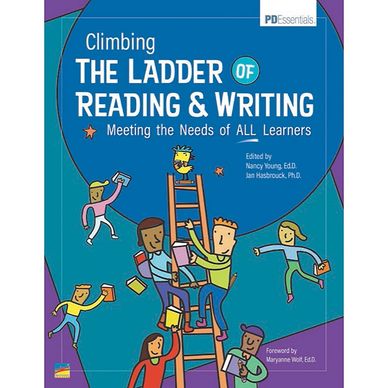
Climbing the Ladder of Reading & Writing is a practical resource for educators seeking to better understand the wide range of literacy needs in today’s classrooms. The book presents a clear framework for recognizing student differences, identifying appropriate instructional supports, and providing targeted instruction in reading and writing. It is especially useful for teachers and literacy leaders who want to make informed, equitable decisions that help every learner make meaningful progress.
The Writing Rope: A Framework for Explicit Writing Instruction in All Subjects
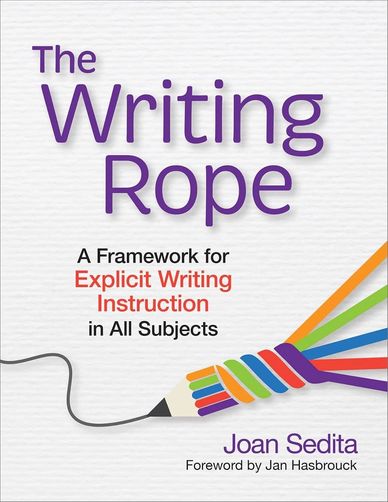
The Writing Rope is a valuable resource for educators who want to better understand the many skills involved in strong writing. The book presents writing as a set of connected strands, including critical thinking, syntax, text structure, vocabulary, transcription, and writing processes. With a clear, research-informed framework, it helps teachers plan explicit instruction that supports students in becoming more confident and capable writers across content areas.
The Writing Revolution 2.0: A Guide to Advancing Thinking Through Writing in All Subjects and Grades
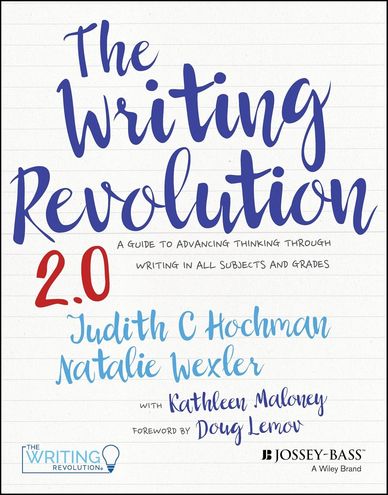
The Writing Revolution 2.0 is a practical, research-informed guide for educators who want to use writing as a tool for building knowledge and strengthening student thinking. The book offers clear, sentence-level and paragraph-level strategies that can be used across grade levels and content areas. With an emphasis on explicit instruction, carefully sequenced practice, and meaningful feedback, it helps teachers support students in becoming stronger, more confident writers while deepening their understanding of what they learn.
The Reading Comprehension Blueprint: Helping Students Make Meaning from Text
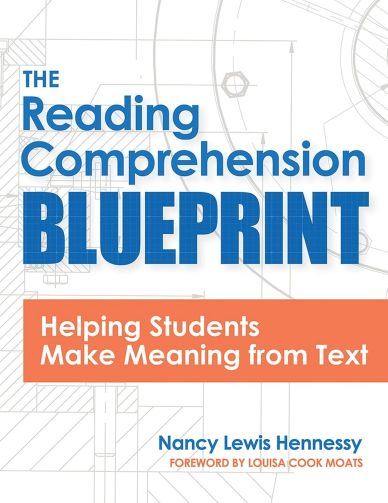
The Reading Comprehension Blueprint is an essential resource for educators who want to strengthen their understanding of how students construct meaning from text. Grounded in reading science and structured literacy, the book explains the many language, knowledge, and strategic processes that support comprehension. It offers a clear framework along with practical tools and instructional guidance to help teachers plan purposeful, evidence-based comprehension instruction for diverse learners.
Next STEPS in Literacy Instruction: Connecting Assessments to Effective Interventions
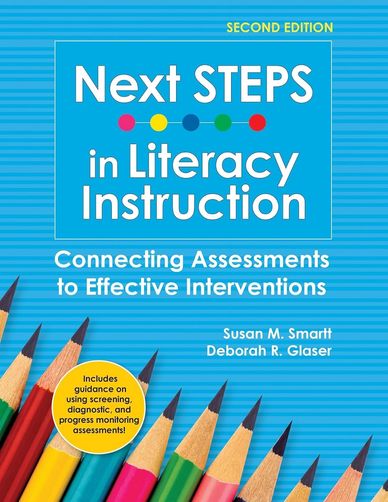
Next STEPS in Literacy Instruction is a practical guide for educators who want to use assessment data to make meaningful instructional decisions. The book helps teachers identify students’ literacy strengths and needs, select appropriate interventions, and monitor progress over time. With a clear focus on connecting assessment to targeted instruction, it is a valuable resource for classroom teachers, reading specialists, interventionists, and literacy leaders supporting diverse learners.
Reading Assessment Done Right: Tools and Techniques for Data-Driven Instruction
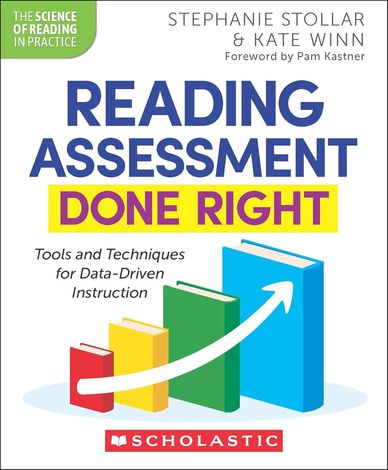
Reading Assessment Done Right is a practical resource for educators who want to make assessment meaningful, manageable, and directly connected to instruction. The book explains how to select and use reading assessments to identify students’ strengths and needs in key areas such as phonological awareness, decoding, fluency, vocabulary, and comprehension. It is especially helpful for teachers, reading specialists, and interventionists who want to use data to plan targeted instruction and monitor student growth with greater confidence.
Structured Literacy Interventions: Teaching Students with Reading Difficulties, Grades K-6
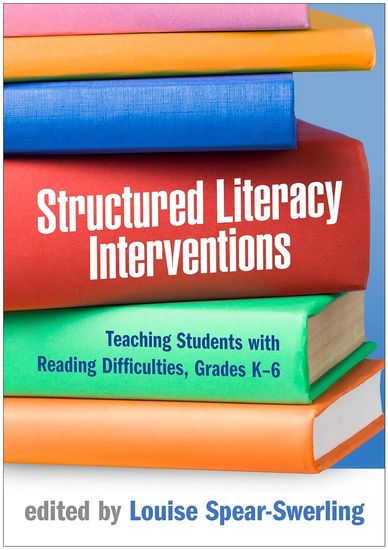
Structured Literacy Interventions is a practical, research-informed guide for educators who support elementary students with reading difficulties. The book explains how to plan and deliver explicit, systematic instruction in foundational literacy skills, including phonological awareness, decoding, spelling, fluency, vocabulary, and comprehension. It is an especially valuable resource for reading specialists, interventionists, special educators, and classroom teachers seeking effective ways to provide targeted support for students who need more intensive instruction.
The Structured Literacy Planner: Designing Interventions for Common Reading Difficulties, Grades 1-9

The Structured Literacy Planner is a practical guide for educators who want to design targeted, evidence-based interventions for students with reading difficulties. The book helps teachers identify common literacy needs and plan explicit instruction in areas such as phonological awareness, decoding, spelling, fluency, vocabulary, and comprehension. It is especially useful for reading specialists, interventionists, special educators, and classroom teachers who need a clear framework for matching instruction to student data and supporting meaningful literacy growth.
Multisensory Teaching of Basic Language Skills
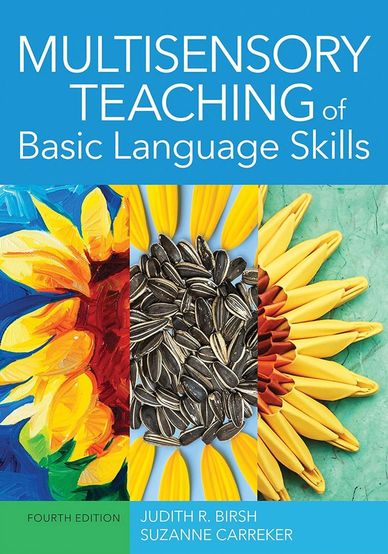
Multisensory Teaching of Basic Language Skills is a foundational resource for educators who want to deepen their understanding of evidence-based reading instruction. The book explains how to teach language and literacy skills explicitly through visual, auditory, kinesthetic, and tactile learning experiences. Covering areas such as phonological awareness, phonics, spelling, fluency, vocabulary, and comprehension, it is especially valuable for teachers, reading specialists, interventionists, and special educators supporting students with diverse learning needs.
Small Groups, Big Results: Evidence-Based Routines to Get Every Child Reading
Small Groups, Big Results is a practical guide for educators who want to make small-group reading instruction more purposeful and effective. Julia B. Lindsey offers research-backed routines that help teachers use assessment information to identify students’ specific needs, create flexible groups, and provide focused instruction and feedback. It is an especially helpful resource for teachers who want manageable, high-impact ways to support every reader within a busy literacy block.
Reading Above the Fray: Reliable, Research-Based Routines for Developing Decoding Skills
Reading Above the Fray is a practical resource for educators who want to strengthen students’ decoding skills through clear, evidence-based instruction. The book provides reliable routines for teaching phonological awareness, phonics, word recognition, and spelling in ways that are explicit, systematic, and easy to implement. It is especially useful for classroom teachers, interventionists, and literacy leaders who want to build stronger foundations for accurate, confident reading.
Shifting the Balance: 6 Ways to Bring the Science of Reading into the Balanced Literacy Classroom
Shifting the Balance is an accessible, classroom-centered guide for educators seeking to align literacy instruction more closely with the science of reading. The book outlines six important shifts in areas such as phonemic awareness, phonics, text selection, and comprehension while acknowledging the realities of everyday classroom practice. It is a valuable resource for teachers and literacy leaders who want practical, manageable ways to strengthen reading instruction for all students.
A Fresh Look at Phonics, Grades K-2: Common Causes of Failure and 7 Ingredients for Success
A Fresh Look at Phonics is a practical resource for early elementary educators who want to strengthen phonics instruction in grades K–2. The book examines common reasons phonics instruction may not lead to expected reading progress and offers seven research-informed ingredients for more effective teaching. It is especially helpful for teachers, reading specialists, and instructional leaders seeking clear guidance for building strong decoding, spelling, and word-recognition foundations.
Differentiating Phonics Instruction for Maximum Impact
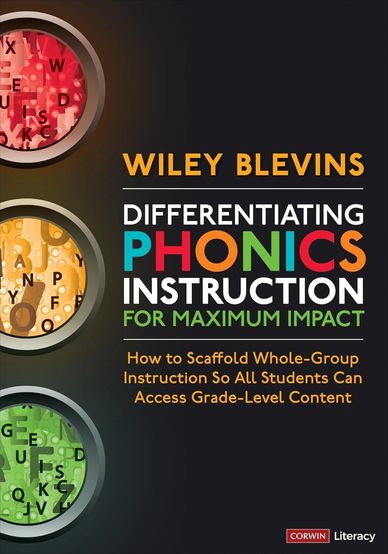
Differentiating Phonics Instruction for Maximum Impact is a practical guide for educators who want to ensure that all students can engage meaningfully in grade-level phonics instruction. Wiley Blevins provides research-informed routines, multimodal practice ideas, and strategies for adapting whole-group lessons for students who are below, on, or above grade-level expectations. It is especially valuable for K–2 teachers, interventionists, and instructional leaders seeking manageable ways to provide responsive phonics instruction while maintaining strong core classroom teaching.
Choosing and Using Decodable Texts
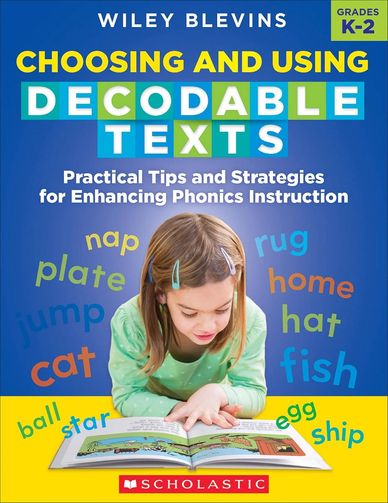
Choosing and Using Decodable Texts is a practical resource for educators who want to select and use decodable books in ways that strengthen early reading development. The book explains how decodable texts support phonics instruction by giving students meaningful opportunities to apply taught sound-spelling patterns in connected text. It is especially helpful for teachers, reading specialists, and literacy leaders who want clear guidance for matching texts to instruction, supporting accurate decoding, and building fluency and confidence in beginning readers.
Overcoming Dyslexia (2020 Edition)
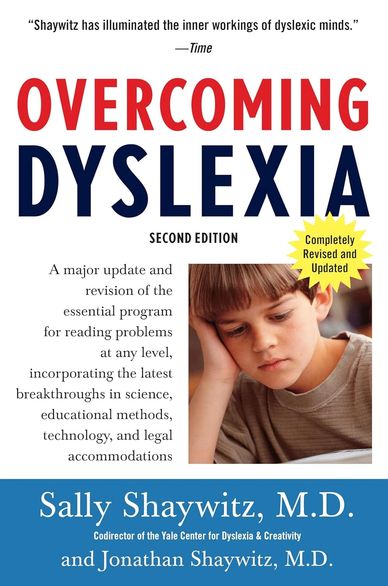
Overcoming Dyslexia is a comprehensive and accessible resource for educators, families, and anyone seeking to better understand dyslexia. Sally Shaywitz explains the science behind dyslexia, how it affects reading and learning, and why early identification and evidence-based instruction are so important. The book offers practical guidance for supporting students through explicit, systematic teaching, appropriate interventions, and advocacy that helps learners with dyslexia build confidence and achieve success.
Conquering Dyslexia: A Guide to Early Detection and Intervention for Teachers and Families
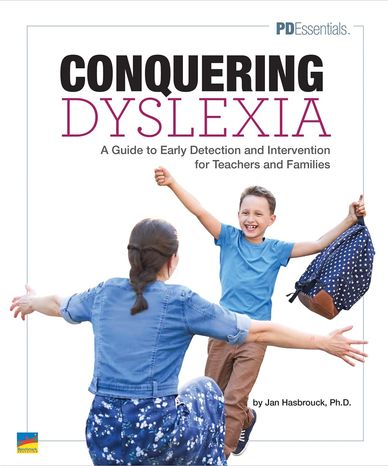
Conquering Dyslexia is a helpful resource for teachers and families seeking to recognize the early signs of dyslexia and respond with effective support. The book explains the importance of early screening, targeted intervention, and explicit instruction in foundational reading skills. It is especially valuable for parents, classroom teachers, and interventionists who want practical guidance for helping children with dyslexia develop stronger reading skills and greater confidence.
Not Stupid, Not Lazy: Understanding Dyslexia and Other Learning Disabilities
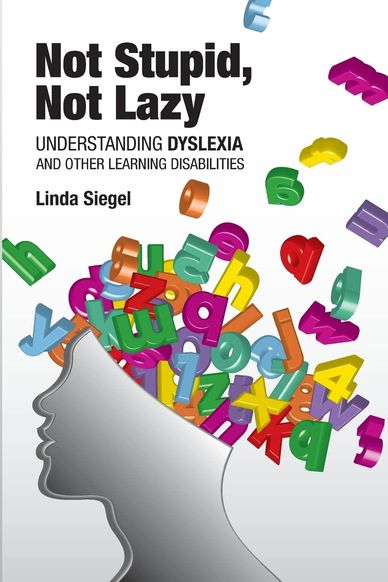
Not Stupid, Not Lazy is an accessible and compassionate resource for educators, families, and advocates who want to better understand dyslexia and other learning disabilities. The book helps readers recognize that students with learning differences are not lacking intelligence or effort; rather, they need instruction, support, and accommodations that match how they learn. It is especially valuable for anyone seeking practical insight into the social, emotional, and academic experiences of learners with dyslexia and related challenges.